
Blog written by Larissa Roy and Jessica Hargreaves, with information from Phyllis Mono (PhD Researcher at the Leipzig University).
You might be wondering: how do researchers get their hands on fossil corals that are millions of years old, and are these ancient records even usable? After all, if you stroll along a beach or dive on a reef, million-year-old corals are far from common. Fortunately, collaborations with museums and private collectors give researchers access to these rare treasures. One great example is the partnership with the Geological-Paleontological Collection at Leipzig University, curated by F. Bach, where they have lots of exciting material to work with.
Using corals from this collection, the SPP 2299 EOCENE project at Leipzig University, led by Principal Investigator Thomas Brachert and Project Scientist Phyllis Mono, has explored how sea surface temperature and precipitation were different between from 45 to 35 million years ago, a key period in Earth’s climate history.
Why Are Fossil Corals Important for Climate Research?
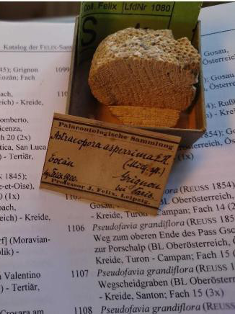
Fossil corals act like natural archives of past climate and environmental conditions. As corals grow, they record information in their carbonate skeletons, allowing researchers to reconstruct seasonal changes, long-term climate trends, and the dynamics of ancient oceans. Because corals grow continuously, they provide snapshots of climate variability across different time periods.
However, not all fossil corals are suitable for detailed climate reconstructions.
When Corals Lose Their Climate Signal: Diagenesis
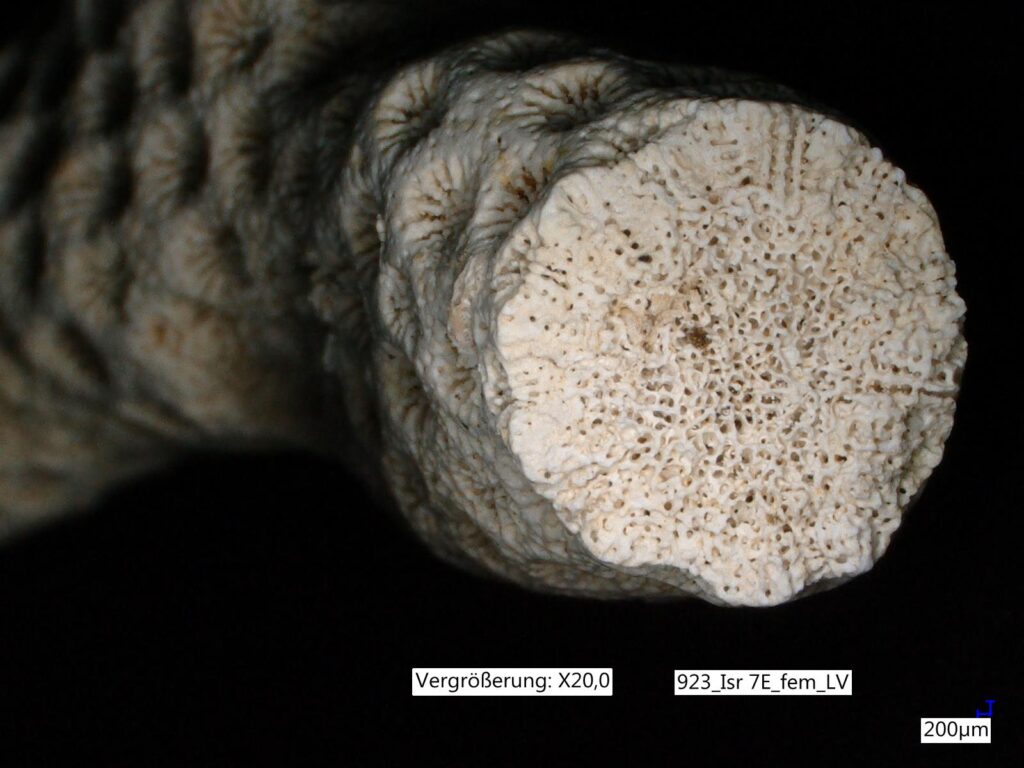
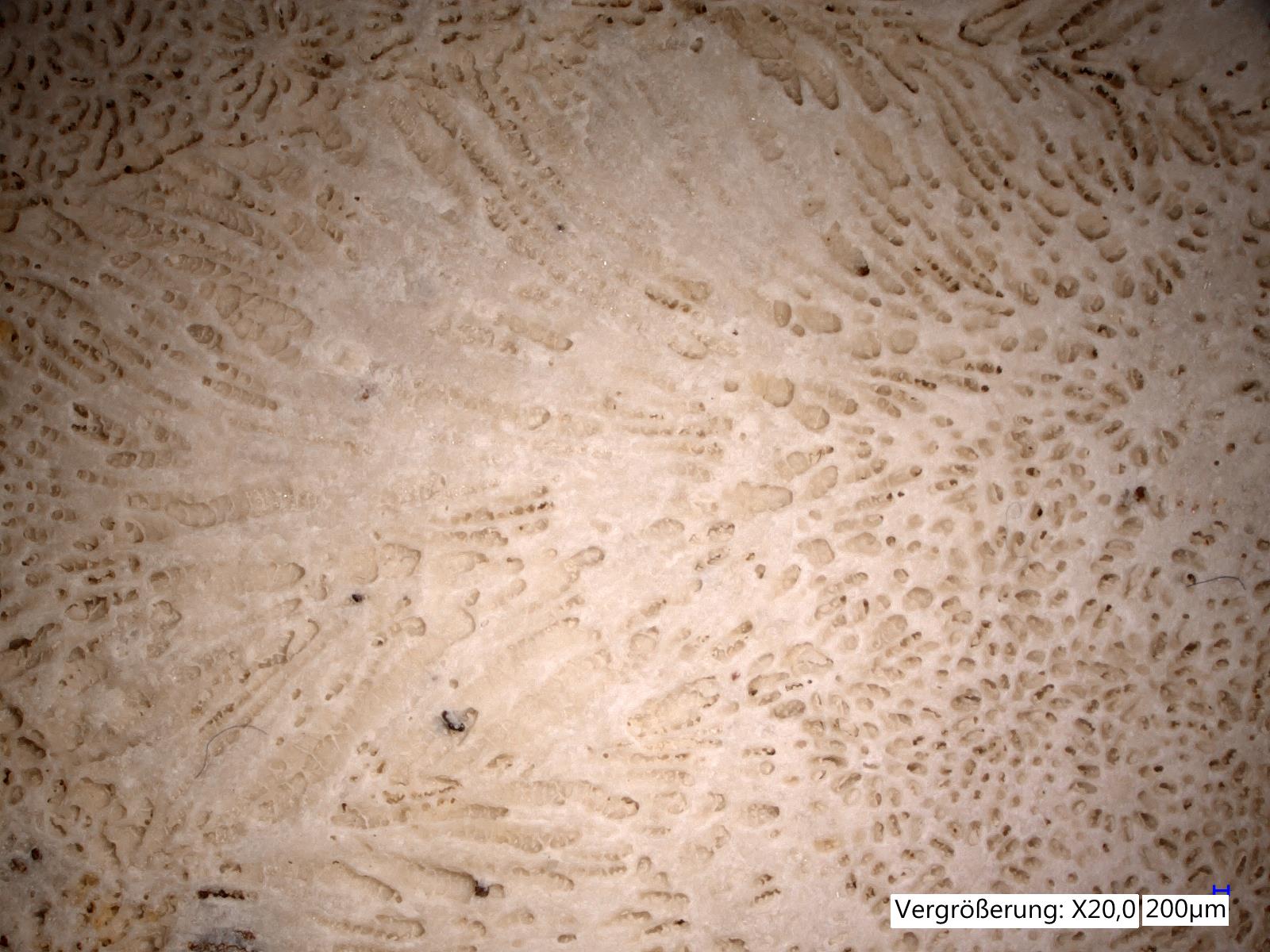
Over millions of years, corals undergo a process called diagenesis, a process that slowly alters their original minerals. During diagenesis, the original aragonite mineral may transform into calcite and change skeletal textures. Unfortunately, this can erase the delicate chemical signals that reflect the ocean conditions in which the coral originally grew.
This process doesn’t always occur, but even when diagenesis happens, the altered corals can still tell us about the history of ancient reefs. Their growth forms, shapes, and species diversity provide valuable insights into reef ecosystems.
Also, if a coral is visibly altered in one section, we may choose another section that does not show obvious alteration before conducting isotope and/or geochemical analyses. Those datasets are then again filtered for diagenesis indicators (e.g. missing cyclicity in isotopes where cyclicity is expected, or high Mn/Ca ratios), but the information can still be used!
How Do Researchers Check if a Coral Is Usable?
Before running any expensive geochemical analyses, scientists carefully screen corals for signs of diagenesis. Common methods include:
- Microscopy: Light or electron microscopy can reveal changes in crystal structure or secondary mineral formations.
- Densitometry: Regular coral growth bands may be disrupted or absent in altered samples.
- X-ray Diffraction (XRD): This technique distinguishes original aragonite from secondary calcite, helping researchers avoid misleading results.
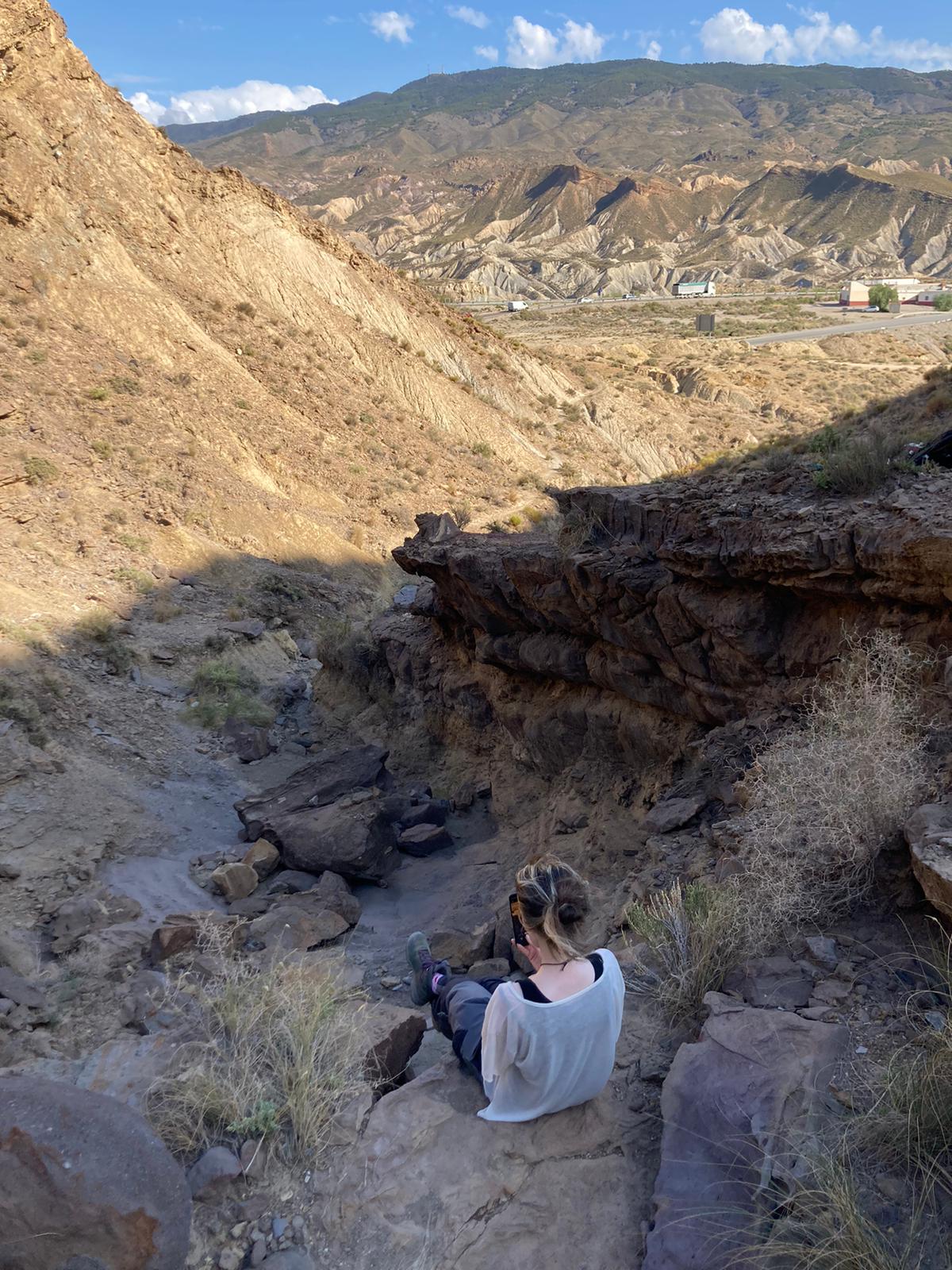
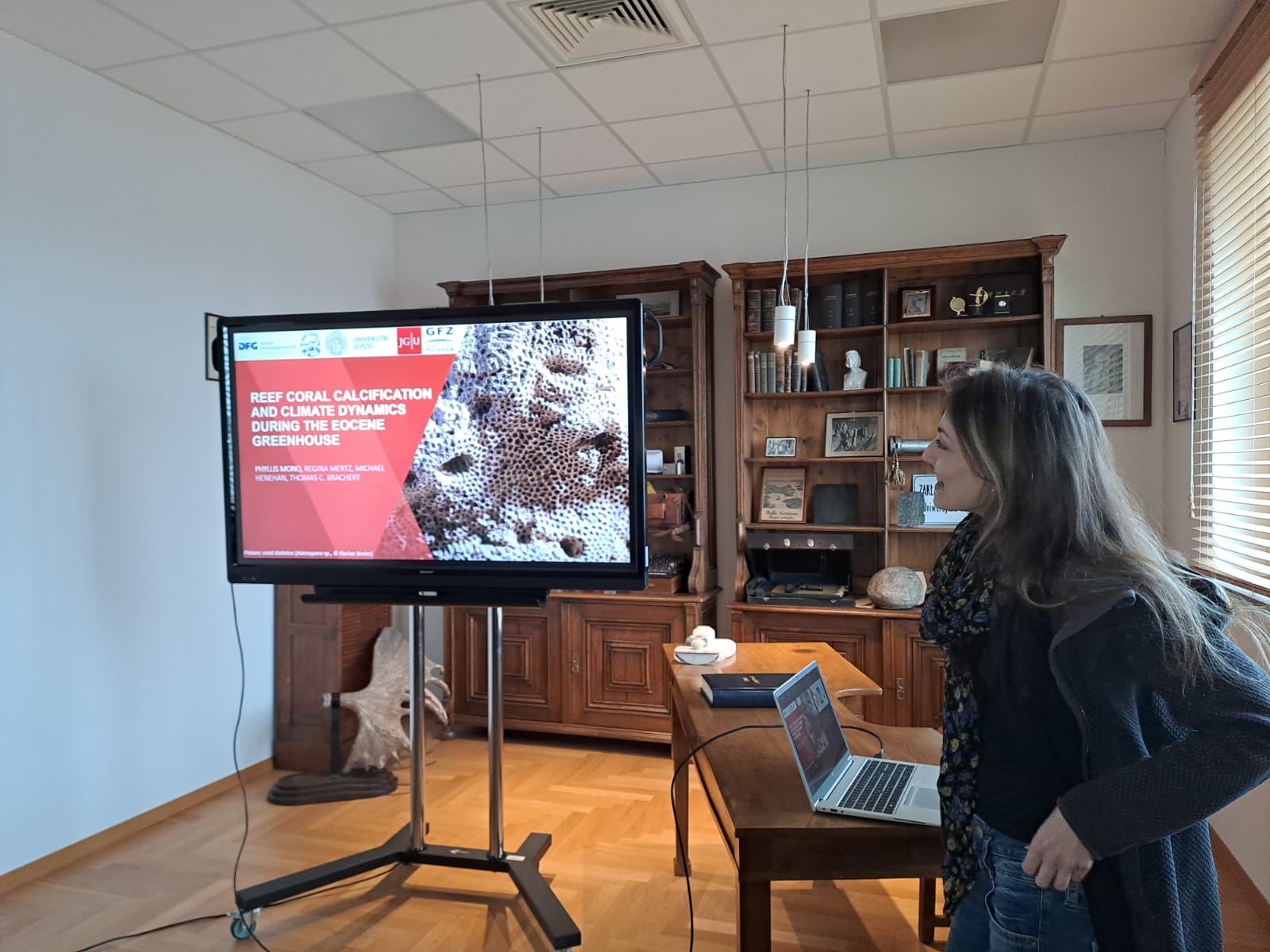
Jagiellonian University in Krakow.
How Do Corals Reveal Ancient Climate?
When corals grow, they incorporate oxygen from seawater into their skeletons. The ratio of heavy to light oxygen isotopes (¹⁸O/¹⁶O), expressed as δ¹⁸O, shifts with temperature and rainfall:
- Lower δ¹⁸O values indicate warmer conditions (summer)
- Higher δ¹⁸O values indicate cooler conditions (winter)
At Leipzig University, researchers measure stable oxygen (δ¹⁸O) and carbon (δ¹³C) isotopes using a mass spectrometer. Coral powder reacts with phosphoric acid to release CO₂, which is then purified, ionized, and analyzed.
For example, corals from northern France, around 40 million years old, revealed seasonal temperature changes of about 6.5 ± 1.5 °C. By analyzing these time series of isotopes, scientists can distinguish winter from summer and calculate annual temperature contrasts.
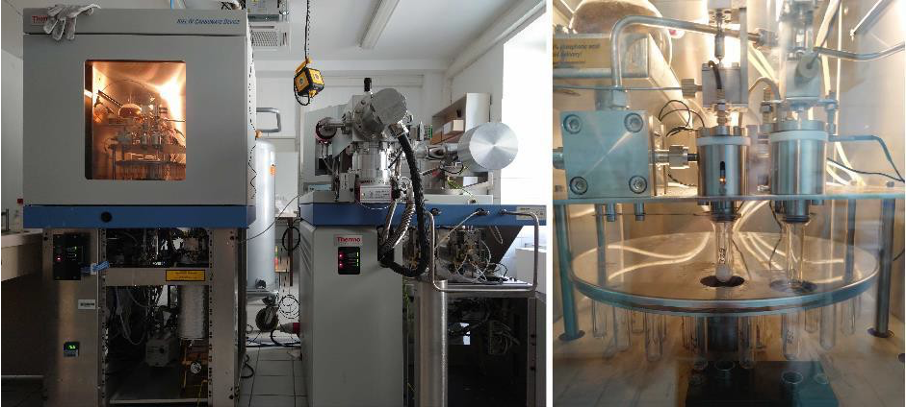
Image: stable isotope analysis conducted at the University of Leipzig.
Whether chemically pristine or altered, fossil corals remain extraordinary windows into ancient oceans and reef ecosystems. Ongoing projects within the SPP 2299 programme continue to explore these archives, helping scientists piece together the long and complex climate history of our planet.
Want to learn more about corals and their climate secrets?
Check out our other blog posts featuring researchers from the SPP 2299 Programme, or follow @climatereefs on Instagram for updates and behind-the-scenes insights.